
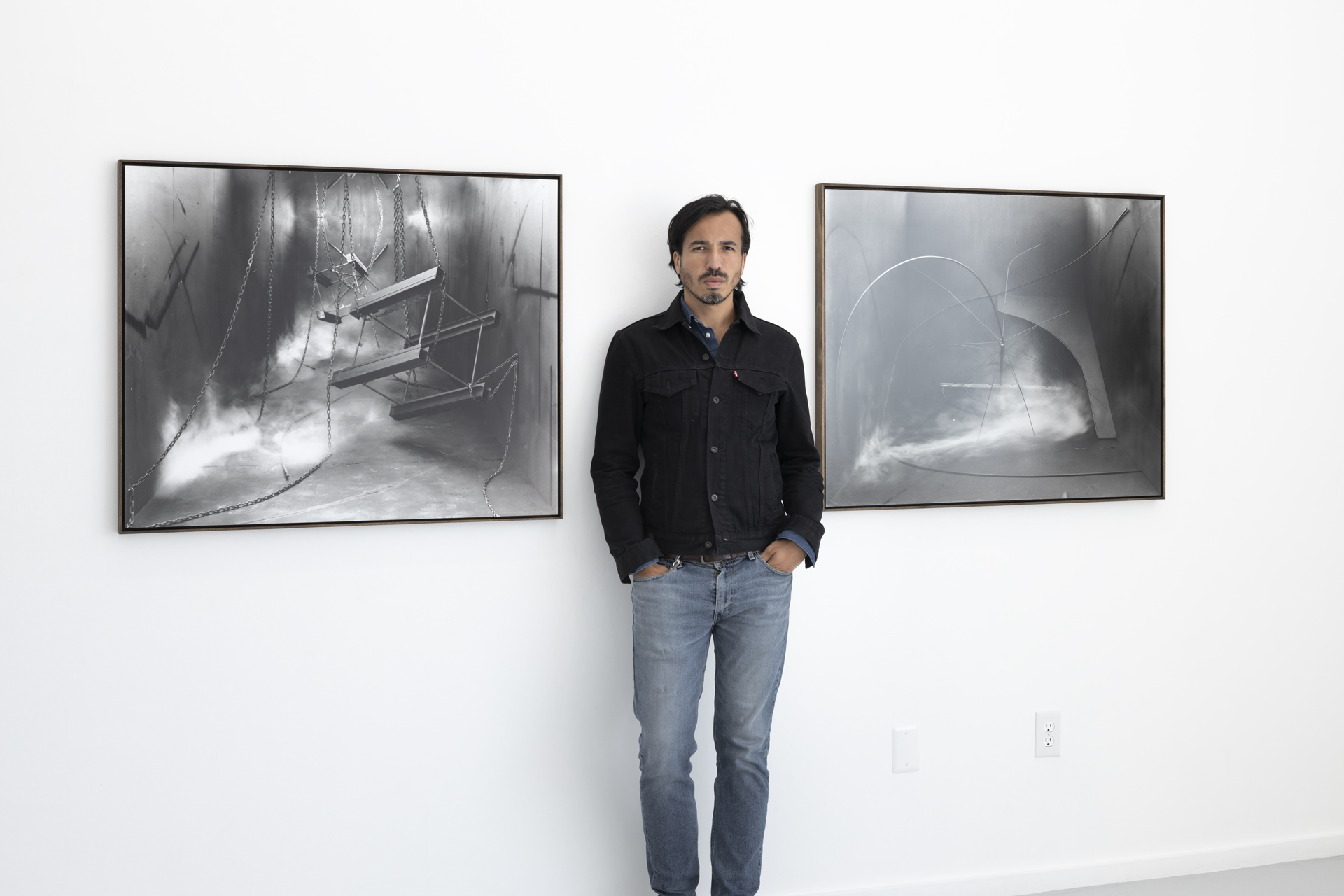
Rodrigo Valenzuela is a Los Angeles–based artist whose multidisciplinary practice spans photography, sculpture, video, and installation. Rooted in lived experience, labor, and Latin American sociopolitical history, his work uses image-making as a critical tool, blending documentary and fiction to question power, visibility, and representation. In the conversation below, Valenzuela reflects on his process, materials, and the ideas that continue to shape his thinking.
Your work often begins with the hand through building, dismantling, and reconstructing. How do physical gestures shape your thinking as an artist?
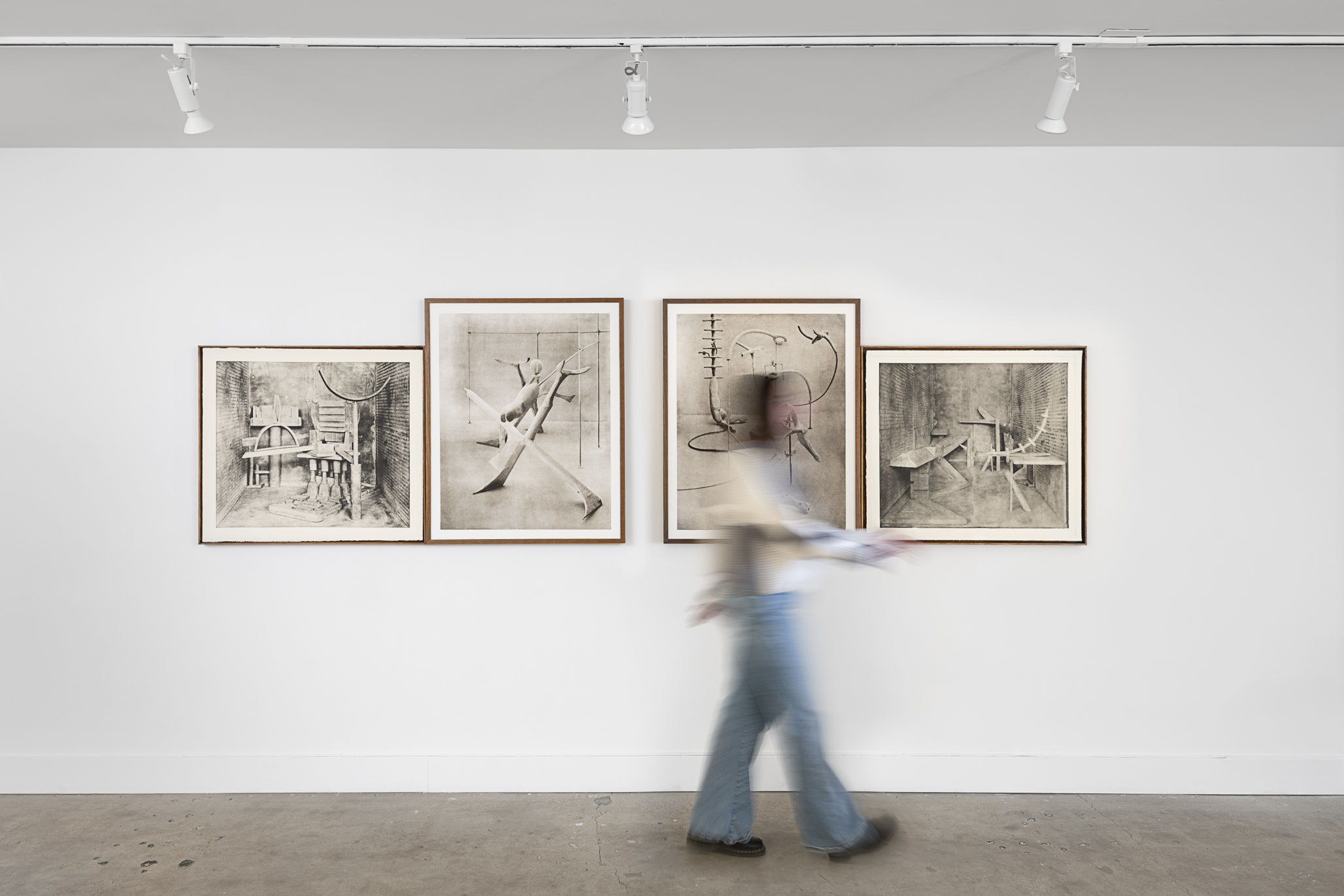
Everything I make is rooted in gesture. The hand is never neutral. Materials carry political weight, whether it’s photocopies that reference bureaucracy and immigration, or concrete, which to me is inseparable from institutions, power, and authoritarian architecture. I choose materials very deliberately. They already speak before I do. A stack of photocopies immediately evokes paperwork, control, and access. Concrete signals permanence and authority. The gesture of making is where the political content lives.
How has your experience as an immigrant and laborer shaped your understanding of truth in art?
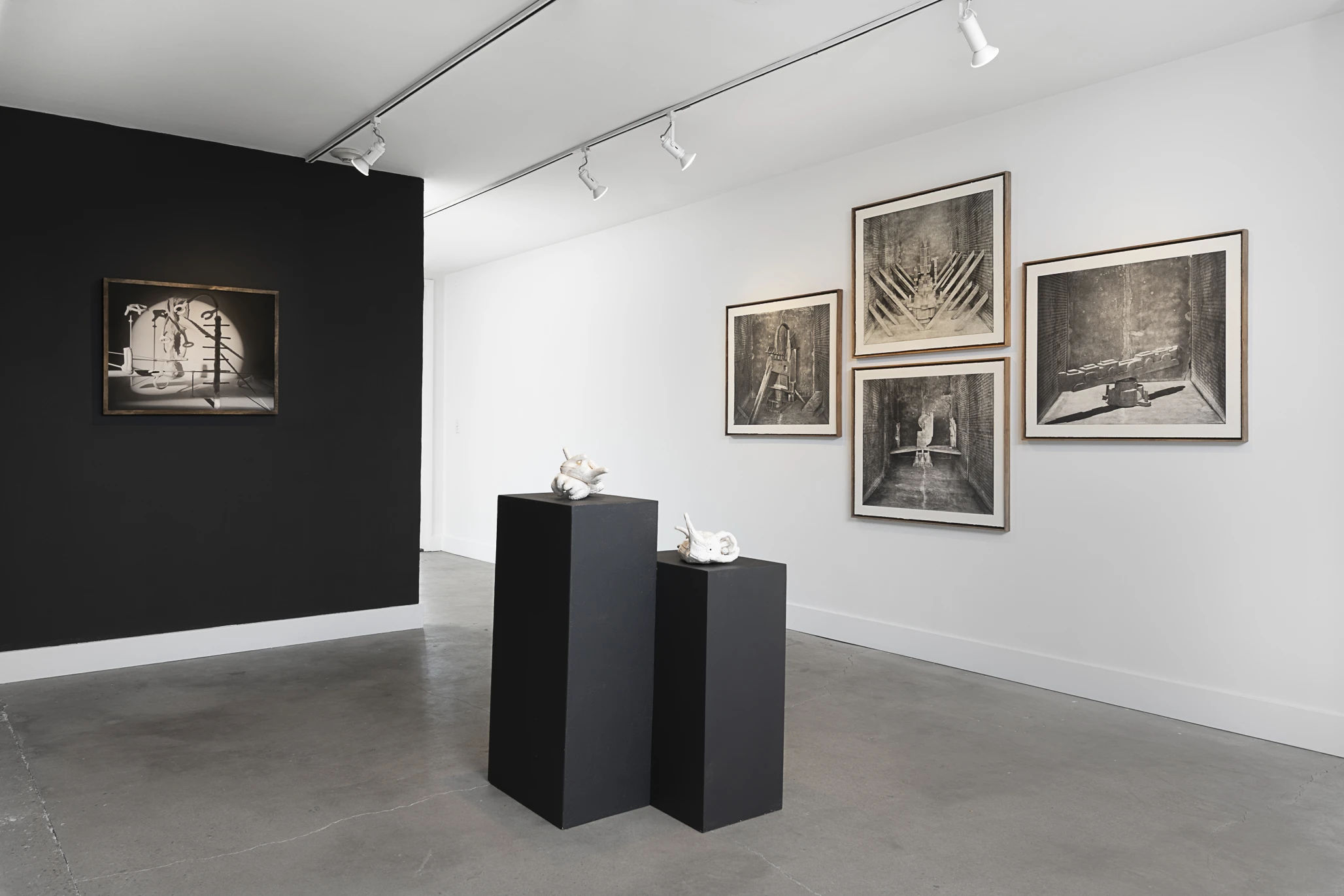
I separate truth from reality. Reality is often confused with immediacy, especially in photography, but something like an opinion or a thought that happens quickly does not make it true or real. As an immigrant, your reality is shaped by systems that don’t always recognize you. I make things by hand because they do not exist in reality. That distance allows me to get closer to the truth. I am interested in how things feel, how they operate socially and politically, not in reproducing what already exists.
Construction and destruction play a central role in your process. Why do your works often need to disappear?
I am interested in the decisive moment of thought. The object needs to disappear so it cannot anchor meaning in the real world. Once something exists too firmly, it accumulates associations that are not mine. By destroying the object, I leave room for thought, emotion, and interpretation. The photographs are not documents of objects, but traces of thinking.
Photography was once seen as a record of truth. How do you see its role today, especially in a digital and AI-driven world?
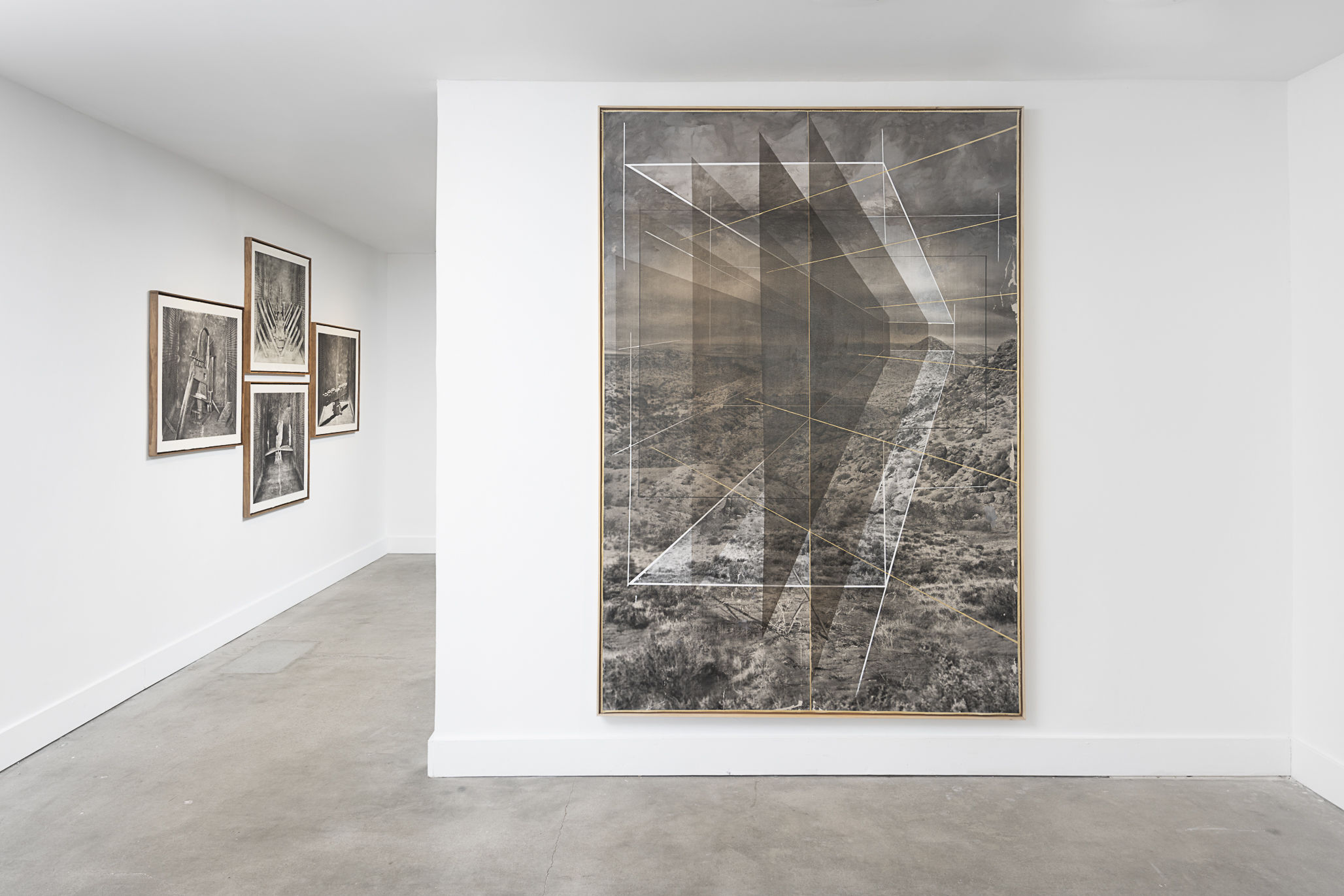
The tools will change, but the question stays the same. If you are not searching for something meaningful, no technology will save you. AI produces a very unified aesthetic, which makes it easier to see who is actually thinking. One original idea already puts you ahead. Photography still matters when it reflects how you feel about the world, not when it simply replicates existing models.
What ultimately drives you to keep making work?
I use my identity as a starting point, not a boundary. I want to expand what people think a Latino artist can talk about. Art is a way to add complexity to culture, to hold contradictions, doubt, beauty, and critique at the same time. If the work opens space for thinking differently, even briefly, then it has done its job.
Learn more about Rodrigo and view selected works here.
